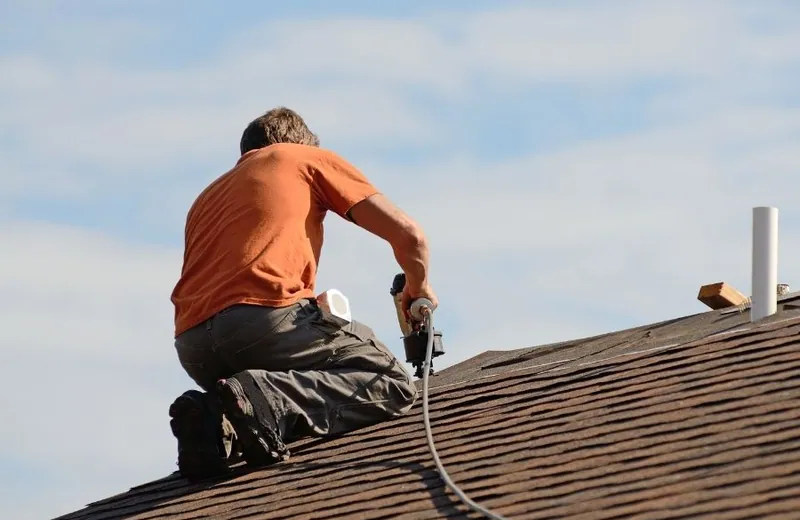
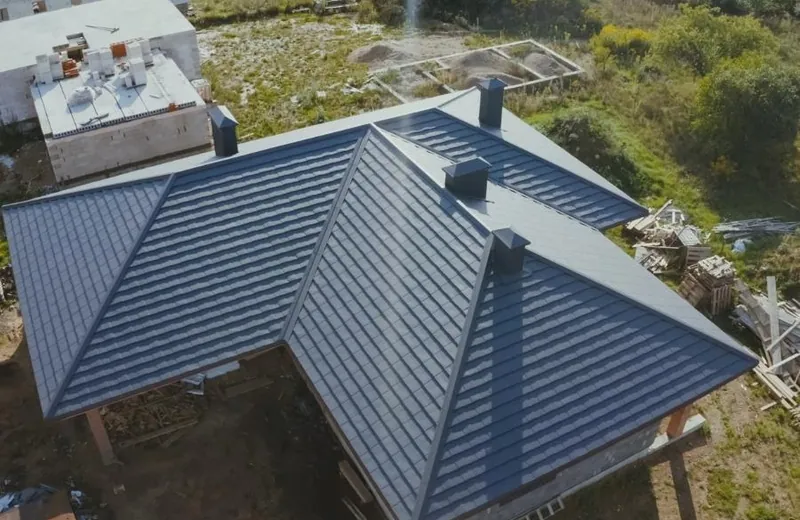
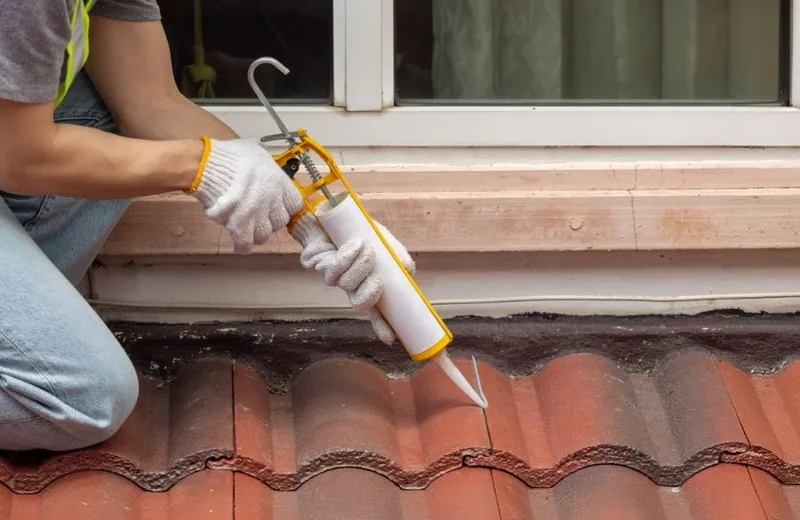
210 Trilith Pkwy 100 b5, Fayetteville, GA Mon-Sun: 7:00 am – 7:00 pm
11+ Years in Fayetteville · Licensed & Insured

Roofing Contractor in Fayetteville, GA Built for Georgia Heat, Hail & Pines

Roofs in Fayetteville don't get an easy life. Summer sun cooks shingles well past the 90°F air temperature, spring squall lines drop hail and straight-line winds, and the loblolly pines and water oaks that make Fayette County so pretty also drop limbs on roofs and pack valleys with straw. Plenty of roofs here wear out years before the date printed on the shingle package. Fayetteville Roofing Company has been fixing, replacing and maintaining roofs in this climate since 2015. We find the real cause of a leak, explain your options in plain language, and do the work so it lasts.

We're a local, bonded and insured crew, not a storm-chasing outfit that disappears after hail season. We know which building department covers your address, how HOA architectural review works in the Peachtree City villages and around Whitewater Creek, and what the older brick ranches in Jonesboro and Riverdale usually hide under their shingles. From Trilith's metal and low-slope roofs to big custom homes on acreage in Tyrone, we handle residential and commercial roofing within 20 miles of Fayetteville.

  • Serving Fayetteville and the south metro since 2015
  • Bonded roofing contractor
  • Fully insured crews

Homeowners across Fayette and Clayton counties call us for straight answers, solid workmanship and a crew that treats their property with respect. Many come back to us after a storm, a home sale or a neighbor's recommendation.

Request Your Free Estimate

No obligation. Fast, honest quotes.

Your information is never shared.

Online Estimates
Onsite Service
Licensed & Insured
Customer Rated
Local Expertise

Why Fayetteville Homes Need a Roofer Who Knows the South Metro

A roof in Fayette or Clayton County deals with heat, humidity, heavy rain, spring hail and a lot of trees, often all in the same year. Add aging subdivision housing, complicated rooflines and a patchwork of permit offices, and local roofing know-how starts to matter a lot.

Piedmont Climate: Heat, 50 Inches of Rain and Spring Storms

Fayetteville sits around 850–900 feet up on the Georgia Piedmont, about 20 miles south of downtown Atlanta. Summer highs run 89–91°F from June through August, and dew points often sit near 70. Shingles in full sun get far hotter than that, so the asphalt oxidizes, turns brittle and sheds granules early. Annual rainfall is roughly 48–52 inches, and there's no real dry season. Pop-up summer storms and days of winter frontal rain find every weak pipe boot, valley and seam. March through May is peak severe-weather season. Squall lines and supercells bring hail and damaging winds, and the March 2021 EF-4 tornado in nearby Newnan was a reminder of how bad it can get. Late-summer tropical remnants like Helene in 2024, plus the occasional ice storm, bring down trees across the county.

Housing Built 1975–2010, Many Now on Their Second Roof

Fayette County went from mostly rural to a commuter suburb between the 1970s and 2000s. Most homes in Fayetteville, Peachtree City and Tyrone date from about 1975 to 2010, so a lot of them are due for a first or second full replacement. Two-story brick-front traditionals and Craftsman-style subdivision homes often have several gables, dormers, valleys and bonus-room roofs. That means more flashing points and more places for a leak to hide. Across the county line, the Clayton County neighborhoods in Jonesboro, Riverdale, Irondale and Lovejoy have lots of 1950s–1980s brick ranches and split-levels. Many still have 3-tab shingles, more than one layer of roofing, under-vented attics or tired decking. Trilith adds standing-seam metal and low-slope roofs, and Tyrone has big custom roofs, barns and detached garages.

Licensing, Permits, HOAs and Storm-Chaser Rules

Georgia doesn't issue a separate roofing license. Residential jobs above the state's dollar threshold fall under the State Licensing Board for Residential and General Contractors, and it's smart to verify that for any roofer you hire. Re-roofs have to meet Georgia's State Minimum Standard Codes for underlayment, drip edge, flashing, deck fastening and attic ventilation. Permits are handled locally by the City of Fayetteville, Peachtree City, the Town of Tyrone, unincorporated Fayette County, Clayton County, Jonesboro, Riverdale and Lovejoy, each with its own rules. Many HOAs require architectural approval of shingle color and profile, Trilith has its own design standards, and visible changes near the courthouse square may go through design review. Georgia law also prohibits roofers from offering to waive your insurance deductible, and it lets you cancel a roofing contract if your insurer denies the claim.

What Local Homeowners Expect

Fayette County is one of Georgia's most affluent counties. Professionals, Delta and airport employees, film-industry workers tied to Trilith, and a large retiree population in Peachtree City all want quality materials, good curb appeal and a contractor who calls back. In Clayton County, homeowners, landlords and investors usually care most about honest repair-or-replace advice, fair pricing, financing and help with insurance claims. Both groups include long-time owners with aging roofs and a steady stream of new arrivals who need an inspection before closing. We work for all of them.

Know The Signs

Common Roofing Problems in Fayetteville and the South Metro

Most of the roof calls we get trace back to a few local causes: heat, storms, trees and the way area homes were built. Here's what we see most often, why it happens here, and the warning signs to watch for before a small problem turns into a ceiling stain.

Hail and Wind Storm Damage

Serious

Hail bruises shingles, knocks granules loose and can crack the mat underneath. High winds lift tabs, break the adhesive seal strips and blow shingles off completely. Some of this damage is obvious right away. A lot of it isn't, and it can take months to turn into a leak.

Why it happens here

March through May, squall lines and supercells move across west Georgia and into Fayette and Clayton counties, bringing hail, straight-line winds and the occasional tornado. Hail claims are common across the south metro, and most homeowners deal with an adjuster at some point. After big storms, out-of-state crews show up knocking on doors, and that makes it hard to tell a real local contractor from someone who'll be gone in a month. Roofs that are already brittle from summer heat crack and lose granules more easily when hail hits.

Signs to watch for
  • Dents on gutters, downspouts, vents or AC fins
  • Dark, bruised spots where granules have been knocked off
  • Shingles missing, creased or lifted after a windstorm
  • Piles of granules at downspout outlets
  • Neighbors filing claims after the same storm
  • New leaks after a spring storm
Local patterns

We see hail and wind claims all over Peachtree City's villages, Fayetteville subdivisions and Clayton County after spring storms. Tall two-story homes and exposed ridgelines near Lake Peachtree and on open Tyrone acreage tend to take the worst wind uplift.

Our fix

We document the damage with photos, meet your adjuster if you want us there, and repair or replace the affected areas. We'll never offer to waive your deductible, because Georgia law prohibits it.

Fallen Tree and Limb Impact

Emergency

A falling limb or whole tree can crack rafters, punch through the decking and leave the house open to rain. Smaller branches gouge shingles and break the seal so water can get in. Any roof penetration from a tree needs attention right away.

Why it happens here

Mature loblolly pines, oaks, sweetgums and water oaks shade most lots in Fayette County and much of Clayton. Water oaks and pines are known for dropping limbs in high winds. Tropical storm remnants like Helene, spring squall lines and winter ice storms all bring down limbs in big numbers. Red clay that shrinks and swells can loosen roots over time, too. So many homes sit on wooded lots that one storm can damage dozens of roofs on the same street.

Signs to watch for
  • A limb or tree resting on the roof
  • Daylight visible through attic decking
  • Sagging rooflines or cracked rafters
  • Water pouring into the attic or through a ceiling
  • Crushed gutters or a broken fascia
  • Shingles torn or gouged under overhanging branches
Local patterns

Wooded lots along Peachtree City's cart paths, homes near Starr's Mill and Whitewater Creek, and older Jonesboro and Riverdale neighborhoods under big water oaks see the most limb strikes, especially after tropical remnants and ice storms.

Our fix

We tarp and secure the opening to stop water getting in, coordinate with the tree removal crew, then rebuild damaged decking and framing and re-roof the affected area.

Premature Shingle Aging From Heat and UV

Moderate

Long, hot summers and intense UV break down the asphalt in shingles. They lose granules, curl, blister and crack, sometimes a decade before the warranty term runs out. Once the granules are gone, the asphalt underneath bakes even faster and wear speeds up.

Why it happens here

Summer highs around 90°F and humid nights keep shingles hot for months, and roof surfaces in full sun get much hotter than the air. Many 1990s–2000s Fayette homes and 2000s Lovejoy tract homes have builder-grade shingles that are now wearing out. Older Clayton County ranches often still have 3-tab shingles that are past their service life. South- and west-facing slopes on open lots take the most punishment, and a poorly vented attic adds even more heat from below.

Signs to watch for
  • Bald spots and exposed black asphalt
  • Curling or cupped shingle edges
  • Blisters or cracked shingles
  • Granules collecting in gutters
  • Brittle tabs that snap when lifted
  • Uneven, faded color on the sunny slopes
Local patterns

This shows up most on 1990s–2000s subdivision homes in Fayetteville and Peachtree City's Kedron and Braelinn villages, 2000s tract homes in Lovejoy, and older 3-tab roofs in Jonesboro, Riverdale and Irondale.

Our fix

We inspect slope by slope and tell you honestly whether targeted repairs will buy you real time or whether replacing the roof makes more financial sense.

Hidden Flashing Leaks at Walls, Chimneys and Skylights

Serious

Flashing is the metal that seals the joints where the roof meets a wall, chimney, skylight or dormer. When it's installed badly, rusts or pulls loose, water runs behind it and soaks into the sheathing and framing, usually well before you see a stain.

Why it happens here

Many homes in Fayetteville and Peachtree City built between 1975 and 2010 have complicated roofs with second-story sidewalls, dormers, bonus rooms and several valleys, and every one of those intersections relies on flashing. Builders often caulked over joints instead of installing proper step or counter-flashing. Add 50 inches of rain a year, wind-driven summer storms and days of winter rain, and those weak points eventually start to leak. Steep, multi-valley roofs are also hard to check from the ground.

Signs to watch for
  • Ceiling stains below a dormer, chimney or skylight
  • Wet or stained drywall at a second-story wall
  • Musty smell or mold in the attic
  • Cracked or missing caulk at the chimney
  • Rust streaks under the flashing
  • Peeling paint or rotted siding near roof-to-wall joints
Local patterns

This is common on two-story brick-front colonials around Whitewater Creek and Glenloch and Aberdeen villages, and on homes with skylights and bonus-room roofs throughout Fayetteville subdivisions.

Our fix

We remove shingles around the problem area, install new step, counter or apron flashing to Georgia code, replace any rotted sheathing, and re-shingle so the repair blends in.

Cracked Pipe Boots and Vent Seals

Minor

Pipe boots are the rubber collars that seal around plumbing vent pipes where they come through the roof. Once the rubber cracks, rain runs straight down the pipe into the attic or wall cavity. It's a small part, but it causes a lot of leaks.

Why it happens here

Builder-grade neoprene boots tend to crack within 8–12 years in Georgia's sun and heat, often well before the shingles around them wear out. Nearly every subdivision home built across Fayette and Clayton counties in the 1990s and 2000s went up with the same basic boots, so many of them are failing around the same time. Squirrels chewing on lead boots cause similar problems on wooded lots. Pop-up summer storms then push water through the gap.

Signs to watch for
  • Small, round ceiling stain near a bathroom
  • Visible cracks or gaps around a vent pipe
  • Water stains on attic framing near the pipe
  • Dripping during heavy rain only
  • Chewed or deformed lead boots
Local patterns

We replace a lot of these in 1990s–2000s neighborhoods in Fayetteville, Peachtree City's Planterra Ridge and Braelinn areas, and Lovejoy subdivisions where the original builder boots are reaching the end of their life.

Our fix

We swap the failed boots for longer-lasting replacements and check every other roof penetration during the same visit. It's usually a quick, affordable fix.

Clogged Valleys, Gutter Backup and Fascia Rot

Moderate

When pine straw and leaves pack into roof valleys and gutters, water backs up under shingle edges and over the fascia board. Over time the drip edge, fascia, soffit and the bottom of the roof decking rot.

Why it happens here

Fayette County's tree canopy drops pine straw nearly year-round and leaves every fall. Heavy summer downpours then dump more water than a clogged gutter can handle. Red Georgia clay runoff and splashing mud make it worse by filling gutters and staining the lower edge of the roof. On complex roofs, debris collects where two valleys meet above a gutter, and the overflow sits against wood trim for days at a time.

Signs to watch for
  • Gutters overflowing during rain
  • Pine straw piled in roof valleys
  • Soft, peeling or rotted fascia boards
  • Sagging gutters pulling away from the house
  • Water stains on soffits
  • Wasp or rodent activity at rotted trim
Local patterns

This is everywhere on wooded lots beside Peachtree City cart paths and lakes, in the Starr's Mill area, and on Tyrone acreage. Homes surrounded by tall loblolly pines have it worst.

Our fix

We clear valleys, replace rotted fascia, decking edges and drip edge, and fix the drainage so water leaves the roof instead of sitting on it.

Algae Streaks, Moss and Poor Attic Ventilation

Minor

Those black streaks are Gloeocapsa magma algae, and moss and lichen often grow alongside them. Under the roof, poor ventilation traps heat and moisture. Both problems shorten shingle life, and both hurt curb appeal and energy bills.

Why it happens here

Shade, humidity and plenty of rain are exactly what algae and moss need, especially on north-facing slopes under trees. HOAs in Fayette County and the Peachtree City villages notice stained roofs. Many older Clayton County ranches and builder-grade homes don't have enough soffit or ridge venting to meet current code ratios. That traps attic heat during long Georgia summers, drives up AC costs and bakes shingles from underneath.

Signs to watch for
  • Black or dark-green streaks on the roof
  • Moss clumps or lichen spots on shingles
  • Attic temperatures far above outdoor air
  • Condensation, mildew or rusty nails in the attic
  • High summer cooling bills
  • Wavy decking or curling shingles on shaded slopes
Local patterns

Algae is common on shaded, north-facing slopes in Peachtree City and Fayetteville subdivisions. Under-vented attics are most common in 1950s–1980s ranches in Jonesboro, Riverdale and Irondale and in builder-grade homes in Lovejoy.

Our fix

We gently treat algae and moss, recommend algae-resistant shingles when you replace, and balance intake and exhaust ventilation to meet Georgia code.

What We Do

Roofing Services for Fayetteville Homes and Businesses

Every service we offer is built around what south metro roofs actually go through: heat, storms, trees and aging subdivision homes. Whether you need one pipe boot replaced or a full commercial re-roof, you'll get the same local crew, the same honest assessment and a clear written scope before any work starts.

Roof Repair

We find and fix the leaks, missing shingles, failed flashing and storm damage that local roofs pick up. The goal is to fix the actual source of the leak, not just patch the stain on your ceiling.

Our approach

We trace water back to where it gets in through the attic, replace damaged shingles with closely matched products, re-flash walls and chimneys properly instead of smearing caulk on them, and swap out cracked pipe boots and worn sealants.

In Fayetteville, GA

Most repairs in Fayetteville and Peachtree City involve step flashing on two-story walls, skylights, dormers and builder-grade pipe boots. In Jonesboro and Riverdale, we often work on older 3-tab roofs and help owners decide whether a repair is worth doing on a roof that's near the end of its life.

Best for

Roofs with plenty of life left that have isolated leaks, storm-damaged sections, failed flashing or vent boots, or wind-lifted shingles.

Specialty

Roof Replacement

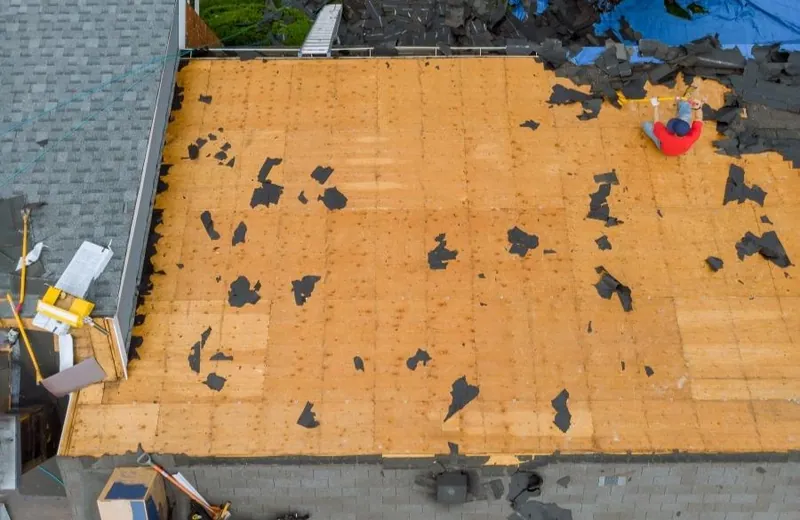
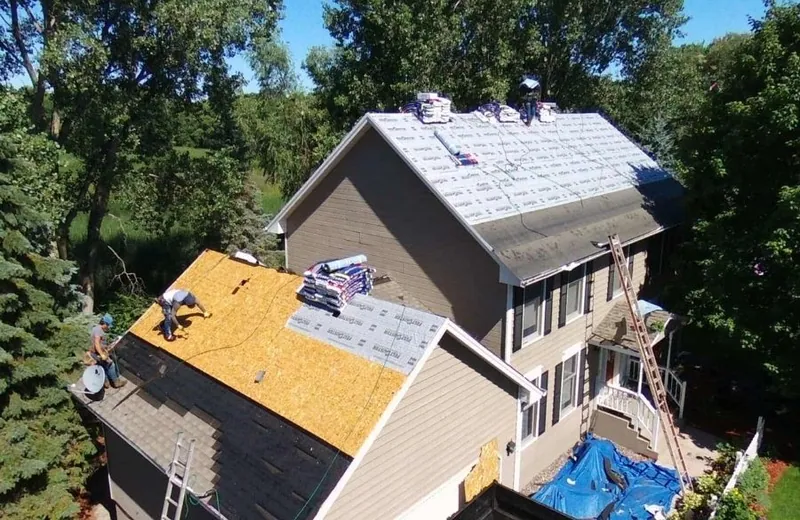
We tear off the worn-out roof down to the decking, fix whatever's rotted underneath and install a complete new roof system that meets Georgia's State Minimum Standard Codes and holds up to local heat and storms.

Our approach

Full tear-off, replacement of damaged decking, synthetic underlayment, new drip edge and flashing, ice barrier where needed, ventilation balanced to code, and architectural shingles in HOA-approved colors. We protect landscaping and pools and run magnetic nail sweeps every day.

In Fayetteville, GA

Many 1975–2010 Fayette County homes are on their second roof now, and Clayton County ranches often have multiple layers hiding rotted plank decking. We handle permits with the right building department and HOA architectural review, including Peachtree City villages and subdivisions around Whitewater Creek.

Best for

Roofs 18–25+ years old, widespread hail or heat damage, multiple shingle layers, recurring leaks, or homes being prepared for sale.

Roof Installation

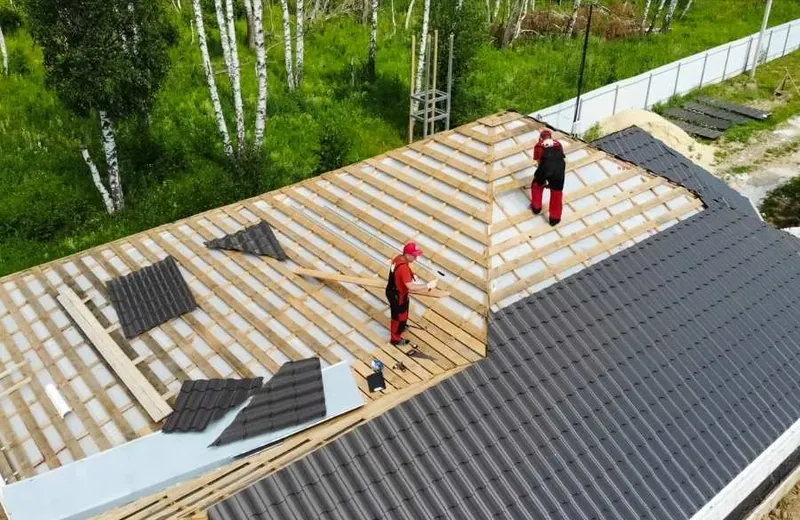
We install roofs on new construction, additions, garages, outbuildings and barns, and we handle material upgrades like standing-seam metal or low-slope sections on contemporary designs.

Our approach

We match the system to the structure: architectural shingles, metal panels or low-slope membranes, plus code-compliant underlayment, flashing and ventilation. We also coordinate with builders, inspectors and design-review boards so the schedule doesn't slip.

In Fayetteville, GA

Tyrone acreage often comes with barns, workshops and detached garages that need roofs. In Trilith, modern farmhouse and contemporary homes use standing-seam metal and low-slope roofs that have to meet the community's design standards.

Best for

New homes, additions, sunrooms, detached garages, barns and outbuildings, and homeowners upgrading to metal or design-driven roofing.

Roof Inspection

We do thorough roof and attic inspections that document condition, remaining life and storm damage, with photos and a plain-language report you can use for decisions, insurance or real estate.

Our approach

We walk the roof whenever it's safe, check every flashing point, valley and penetration, assess granule loss and hail bruising, go into the attic to look for moisture, ventilation and decking problems, and photograph everything we find.

In Fayetteville, GA

Complex, steep roofs in Fayetteville are hard to judge from the driveway. We do post-storm inspections after spring hail, pre-listing and buyer inspections for the busy south metro real estate market, and checkups for new arrivals to the area.

Best for

Homebuyers and sellers, homeowners after a hail or wind event, landlords and investors, and anyone with a roof older than 12–15 years.

Roof Maintenance

We do routine maintenance that keeps the trees, heat and humidity from shortening your roof's life: clearing debris, resealing, small repairs and catching problems before they cause interior damage.

Our approach

We clear pine straw from valleys, reseal exposed fasteners and flashing, replace aging pipe boots, treat algae and moss gently, check attic ventilation, and flag limbs overhanging the roof so you can have them trimmed.

In Fayetteville, GA

Wooded lots along Peachtree City cart paths, around Lake Peachtree and in the Starr's Mill area collect debris all year. A maintenance visit in spring and another in fall protects fascia, valleys and curb appeal in HOA neighborhoods.

Best for

Homes on heavily wooded lots, roofs in the middle of their life that you want to stretch, HOA-conscious homeowners, and rental property owners.

Commercial Roofing

We repair, maintain and replace roofs on offices, retail centers, churches, and multi-family and light industrial buildings across Fayette and Clayton counties, with as little disruption to your business as possible.

Our approach

We work with low-slope membranes such as TPO and modified bitumen, metal roofs and steep-slope shingle systems. Services include leak detection, coating and restoration where it makes sense, drainage fixes, and scheduled maintenance plans with written documentation.

In Fayetteville, GA

Older commercial buildings around Fayetteville's historic courthouse square often have metal and low-slope roofs that need careful detailing and, sometimes, design review. Strip centers along the Highway 85 and Highway 54 corridors deal with ponding water and storm damage.

Best for

Property managers, business owners, HOAs, churches and investors with low-slope, metal or mixed commercial roofs.

Specialty

Emergency Roofing

When a tree comes through the roof or a storm opens up a leak, we respond fast to secure your home or building, stop the water, and get the damage documented for your insurance claim.

Our approach

Emergency tarping and board-up over open decking, interior water mitigation guidance, photo documentation for insurers, and coordination with tree removal crews, followed by permanent repair or replacement once things are safe.

In Fayetteville, GA

Tropical remnants like Helene, spring squall lines and ice storms bring down pines and oaks all over Fayetteville, Peachtree City, Tyrone and Clayton County. Being local means we can actually reach you after a storm, not show up from out of state a week later.

Best for

Fallen trees or limbs, wind-blown sections, active leaks during storms, and any situation where water is coming into the house.

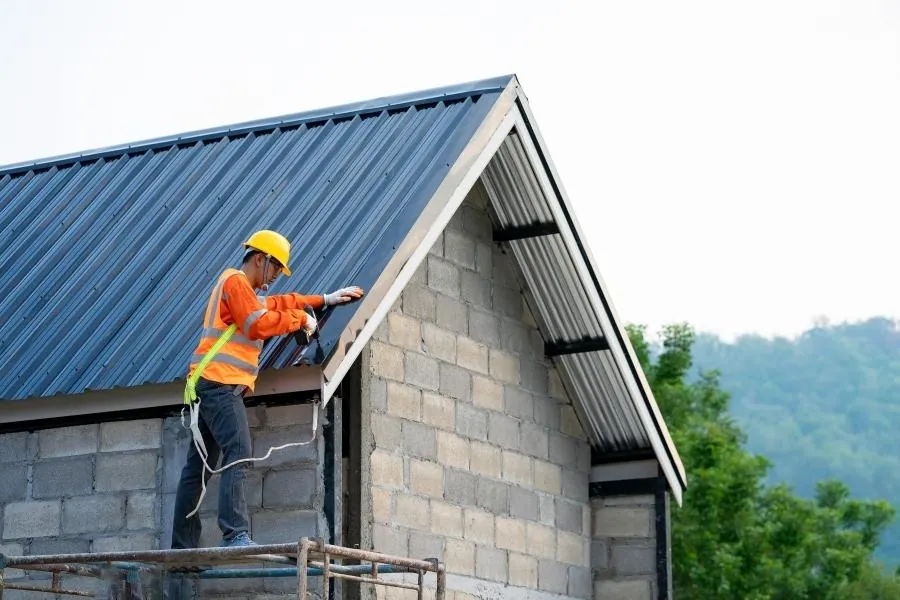
Simple & Transparent

How Our Roofing Process Works

Here's what to expect from your first call to the final cleanup. You'll get clear communication at every step, a written scope, and no surprises on price or schedule.

Free Estimate and Roof Assessment

  • We talk through your concerns, the roof's age and any recent storms
  • We inspect the roof surface, flashing, valleys and penetrations
  • We check the attic for leaks, ventilation and decking problems
  • We photograph everything so you can see what we saw

Steep, multi-gable Fayette County roofs and wooded cart-path lots take a hands-on inspection. You can't judge them reliably from the ground or a drone shot alone.

Usually scheduled within a few days; emergencies get priority

Honest Recommendation and Written Proposal

  • We explain repair vs. replacement in plain language
  • We give you an itemized proposal covering materials, decking allowances and scope
  • We review shingle and color options that fit your HOA's rules
  • We go over financing options if you'd like to spread out the cost

In Clayton County, where many roofs are older, we're upfront when a repair will hold and when it's throwing good money after bad.

Typically within 1–3 days of the inspection

Insurance, Permits and HOA Approvals

  • We meet your adjuster and provide documentation if it's a storm claim
  • We pull permits from the right building department
  • We help prepare your HOA architectural review submission
  • We order materials and confirm your installation date

Fayetteville, Peachtree City, Tyrone, Fayette County, Clayton County, Jonesboro, Riverdale and Lovejoy each run their own permits, and Trilith and many HOAs have design standards.

About 1–3 weeks, depending on the insurer, jurisdiction and HOA

Installation Day(s)

  • We protect landscaping, AC units, pools and driveways
  • We tear off down to the decking and replace any rotted wood
  • We install underlayment, flashing, ventilation and shingles to code
  • We keep you updated on progress and on anything we find

Tight subdivision streets, steep driveways and cart-path access get planned ahead of time so dumpsters and deliveries don't block neighbors.

Most homes take 1–3 days; large or complex roofs take longer

Cleanup, Final Walkthrough and Follow-Up

  • Magnetic sweeps of the yard, driveway and beds for nails
  • Haul-away of all debris and old materials
  • A final walkthrough with you and photos of the finished work
  • Help scheduling the permit inspection and closing out the paperwork

With pets, kids and pools in so many Fayette County backyards, we take nail cleanup seriously and go over it twice.

Same day the work is finished, plus follow-up afterward
The Fayetteville Roofing Company Difference

Why Homeowners Choose Fayetteville Roofing Company

Local Roofers Since 2015, Not Storm Chasers

We've been working on roofs in Fayetteville and the surrounding communities since 2015. When hail hits the south metro, out-of-state crews show up fast and leave just as fast, often before problems with their work show up. We're still here between storms. We know the subdivisions, the tree cover, how the region's builders framed roofs in the '80s and '90s, and which building department handles your address. If something comes up after the job, you'll be calling a local company you can actually reach, not a disconnected phone number.

Bonded and Insured for Your Protection

Roofing is risky work, and you shouldn't carry that risk. Fayetteville Roofing Company is bonded and insured, so you're protected if something goes wrong on your property. Ask any roofer for proof of insurance before they set foot on a ladder, and in Georgia, it's also smart to confirm a contractor's licensing with the State Licensing Board for Residential and General Contractors. We're glad to provide our documentation up front, and we'll encourage you to check it.

Problem-First Diagnosis, Honest Repair-or-Replace Advice

Not every leak means you need a new roof. We start by finding the cause. It might be a cracked builder-grade pipe boot, step flashing that was caulked instead of installed, or a valley packed with pine straw. Then we tell you what makes sense. If a few hundred dollars of repair will buy you years, we'll say so. If your 3-tab roof in Jonesboro has two layers and soft decking, we'll show you photos and explain why patching it won't hold up.

Insurance-Literate and Straight About Georgia's Rules

After a hail or wind event, the claim process can be confusing. We document damage thoroughly, meet adjusters when you want us there, and explain your scope line by line. We follow Georgia's consumer-protection rules, so we won't offer to pay or waive your deductible. We'll also make sure you know your right to cancel a roofing contract if your insurer denies the claim. Plenty of homeowners in Peachtree City and Riverdale alike have come to us after a bad experience with a storm chaser.

Built for Fayette's Heat, Storms and Trees

We specify and install roofs for how they'll actually be used here. That means synthetic underlayment, proper drip edge and flashing, ventilation balanced to code so attics don't bake in 90°F summers, algae-resistant shingle options for shaded slopes, and longer-lasting pipe boots in place of the builder-grade rubber that cracks within a decade. Doing those details right is what helps a roof reach its rated lifespan instead of falling short of it in Georgia's climate.

Transparent Pricing and Flexible Financing

Every estimate is free and itemized, so you can see the cost of materials, labor, tear-off and decking allowances, with no vague lump sums. We explain upfront how decking replacement is priced, so you're not surprised when old plank boards turn up under a 1980s roof. Financing is available for homeowners, landlords and investors who'd rather spread out the cost of a replacement than put off a roof that's failing.

Respect for Your Property, HOA and Neighbors

Wooded lots, cart-path access, steep driveways and tight cul-de-sacs take planning. We protect landscaping, pools and AC units, place dumpsters with care, keep the site tidy every day and run magnetic nail sweeps before we leave. We help you with HOA architectural review paperwork and color selection, so your new roof gets approved and looks right next to your neighbors' homes in Kedron, Braelinn or Whitewater Creek.

Trusted Locally

Trusted by South Metro Homeowners Since 2015

Homeowners across Fayette and Clayton counties call us for straight answers, solid workmanship and a crew that treats their property with respect. Many come back to us after a storm, a home sale or a neighbor's recommendation.

2015
Serving Fayetteville Since
20 Miles
Service Radius
7
Communities Served
Free
Estimates
BondedInsuredFinancing Available
Where We Work

Roofing Service Areas Around Fayetteville, GA

We serve homeowners, landlords and businesses within about 20 miles of Fayetteville, across Fayette County and into northern Clayton County. Each community has its own housing stock, permit office and HOA rules, and we work with all of them regularly.

Fayetteville and Central Fayette County

FayettevilleDowntown Fayetteville / Courthouse SquareTrilithWhitewater CreekStarr's Mill area

Peachtree City and Tyrone

Peachtree City – Kedron & Braelinn VillagesPeachtree City – Glenloch & Aberdeen VillagesLake PeachtreePlanterra RidgeTyrone

Clayton County Communities

JonesboroRiverdaleIrondaleLovejoy

Not sure if we cover your area? Call (770) 501-7009.

Transparent Pricing

How Much Does a Roof Cost in Fayetteville, GA?

Roofing prices in the south metro depend mostly on roof size, how complicated it is, what's hiding underneath, and the materials you pick. These ranges reflect typical local projects. Your free estimate will be itemized for your specific home.

Primary Factor

Roof Size and Pitch

Roofs are priced by the square, which is 100 square feet of roof surface. A 2,500-square-foot two-story in Fayetteville often has 30–40 squares once you count overhangs and slope. Steeper pitches over about 8/12, common on traditional and colonial homes, need extra safety equipment and slow the crew down, and that raises labor costs. A low-slope ranch in Riverdale costs less per square to install than a steep two-story in Whitewater Creek.

Primary Factor

Roof Complexity and Flashing Points

Every gable, dormer, valley, skylight, chimney and second-story sidewall adds cutting, flashing and labor. Many 1980s–2000s Fayette County homes have bonus rooms, several valleys and several dormers, so two houses with the same square footage can differ in price by 20–30%. Simple hip or gable ranches in Jonesboro and Lovejoy usually come in at the low end of the range because there are fewer intersections to seal.

Major Factor

Tear-Off Layers and Decking Condition

Taking off one layer of shingles is standard. Two or three layers, which turn up often on older Clayton County homes, add disposal and labor. Rotted or delaminated sheathing has to be replaced, usually at about $75–$120 per 4x8 sheet installed. Original 1970s plank decking sometimes needs to be overlaid with new plywood. We price decking as a clear per-sheet allowance so there are no surprises.

Major Factor

Materials and Upgrades

Architectural shingles are the local standard. Designer or impact-resistant shingles, standing-seam metal and low-slope membranes cost more. Upgrades like synthetic underlayment, ice barrier in valleys, new ridge or soffit ventilation, algae-resistant granules and longer-lasting pipe boots add modest costs but help a roof hold up to Georgia heat and storms. HOA color or profile requirements can narrow your product choices.

Secondary Factor

Access, Permits and Site Conditions

Wooded cart-path lots in Peachtree City, steep driveways and tight cul-de-sacs can make dumpster placement and material delivery harder. Local permit fees vary by jurisdiction. Extra landscape or pool protection, removing overhanging limbs and working around outbuildings on Tyrone acreage can also affect the final price.

Typical projectDetailsEstimated range
Minor leak repairReplace cracked pipe boots or re-flash a small section of step flashing on a Fayetteville or Peachtree City home$300 – $1,200
Clayton County ranch replacement1,500 sq ft brick ranch in Jonesboro or Riverdale, about 20–24 squares, two-layer tear-off, some decking replacement, architectural shingles, ventilation upgrade$9,000 – $15,000
Fayette County two-story replacement2,800 sq ft traditional home in Fayetteville or Whitewater Creek, 35–40 squares, multiple gables, dormers and valleys, architectural shingles, new flashing and synthetic underlayment$16,000 – $28,000
Emergency tree damageEmergency tarping after a limb strike, plus decking, rafter-adjacent repair and re-shingling of the damaged section$1,500 – $6,500

Financing is available, so you can replace a failing roof now and spread out the payments instead of waiting for the next storm to make things worse. Ask about options during your free estimate. A properly installed, well-ventilated roof protects everything under it, helps keep cooling bills down during long Georgia summers, and helps a home sell in competitive Fayette and Clayton County markets, where buyers and inspectors pay close attention to roof age.

Questions & Answers

Roofing FAQs for Fayetteville and the South Metro

How much does a new roof cost in Fayetteville, GA?

Most full replacements on area homes run between about $9,000 and $28,000. A simple 1,500-square-foot Clayton County ranch usually lands near the low end. A large, steep, multi-gable two-story in Fayetteville, Peachtree City or Tyrone lands near the high end or above it. The biggest factors are roof size in squares, pitch, the number of valleys and dormers, how many layers have to come off, and how much decking needs replacing. Metal and premium shingles cost more. We give free, itemized estimates so you can see exactly where the money goes, and financing is available.

How long does a roof replacement take?

The installation itself usually takes one to three days for most Fayette and Clayton County homes. Larger custom roofs, complex rooflines or significant decking repairs can take longer. Lead time before installation is often the longer part. Permits, HOA architectural review and insurance approvals can add one to three weeks. Weather matters too. We won't tear off a roof with spring storms or summer thunderstorms in the forecast. We'll give you a realistic schedule upfront and keep you updated if the weather pushes things back.

Do I need a permit and HOA approval to replace my roof?

Usually, yes. Re-roof permits are handled locally, and Fayetteville, Peachtree City, the Town of Tyrone, unincorporated Fayette County, Clayton County, Jonesboro, Riverdale and Lovejoy each have their own building department and rules. Work has to meet Georgia's State Minimum Standard Codes for underlayment, flashing, decking fastening and ventilation. Many HOAs, including most Peachtree City villages, require architectural approval of shingle color and style before work begins, and Trilith has its own design standards. We pull permits through the correct office and help you put together your HOA submission.

Should I repair or replace my roof?

If your roof is under about 15 years old and the damage is isolated, like a cracked pipe boot, a flashing leak or a few wind-lifted shingles, repair usually makes sense. Replacement is the better investment when shingles are widely balding, curling or brittle, when you've had several leaks in different spots, when there are two or more layers, or when the decking feels soft. Georgia heat ages roofs faster than the warranty term suggests, so age alone isn't the whole story. We'll show you photos and give you an honest recommendation either way.

What should I do after a hail storm or a tree falls on my roof?

If water is coming in or a limb has broken through, call us right away for emergency tarping. Stay out of rooms with sagging ceilings and move valuables away from the leak. Take photos of the damage once it's safe. After hail, look for dented gutters, damaged AC fins and granules collecting at your downspouts, then schedule an inspection before you file a claim. Be careful with door-to-door storm chasers. Georgia law prohibits roofers from offering to waive your deductible, and you have the right to cancel a roofing contract if your insurer denies the claim.

Will you work with my insurance company on a storm claim?

Yes. We document hail and wind damage with detailed photos and measurements, can meet your adjuster on site, and will go through the approved scope with you so you understand what's covered. If we think the adjuster missed something, like damaged flashing, vents or decking, we'll provide supporting documentation. We follow Georgia's rules, so you'll pay your deductible as your policy requires. Our job is to make sure the repair or replacement is done right and matches what your claim actually covers.

How can I make my roof last longer in Georgia's climate?

Start with trees and drainage. Keep limbs trimmed back from the roof and have valleys and gutters cleared of pine straw at least twice a year. Make sure your attic is properly ventilated, because trapped heat bakes shingles from underneath and raises your summer cooling bills. Replace builder-grade pipe boots before they crack, and have flashing checked every few years. When you replace your roof, algae-resistant shingles and synthetic underlayment are worth considering. A professional inspection after major spring storms catches hidden damage early.

Do you inspect roofs for home sales and new buyers?

Yes. Real estate moves quickly across Fayette and Clayton counties, and roof condition comes up in nearly every sale. We offer pre-listing inspections so sellers can fix issues before buyers find them, and inspections for buyers who want a roofer's opinion on top of the general home inspection. We check the roof surface, flashing, penetrations, attic ventilation and decking, then give you photos and a clear estimate of remaining life. Landlords and investors use the same inspection to plan their budgets.

Find Us

Serving Fayetteville, GA & Nearby

210 Trilith Pkwy 100 b5, Fayetteville, GA, 30214

Ready When You Are

Get Your Free Roofing Estimate in Fayetteville Today

Whether it's a ceiling stain, new hail damage or a roof that's just getting old, a quick local inspection tells you where you stand, with no pressure and no guessing.

  • A free, no-obligation roof assessment with photos
  • Honest repair-or-replace advice in plain language
  • An itemized written proposal with no hidden fees
  • Help with insurance claims, permits and HOA approvals
  • A bonded and insured crew that's served the area since 2015
  • Financing options to fit your budget
  • Careful property protection and magnetic nail cleanup

Serving Fayetteville, Peachtree City, Tyrone, Jonesboro, Riverdale, Irondale, Lovejoy and nearby communities within 20 miles.

Tree on your roof or water coming in? Call now for emergency tarping and storm damage response.

Bonded · Insured

Fayetteville Roofing Company Free estimates across Fayetteville, GA